黑洞光线追踪
Black Hole,Otto Seiskari,2015 年
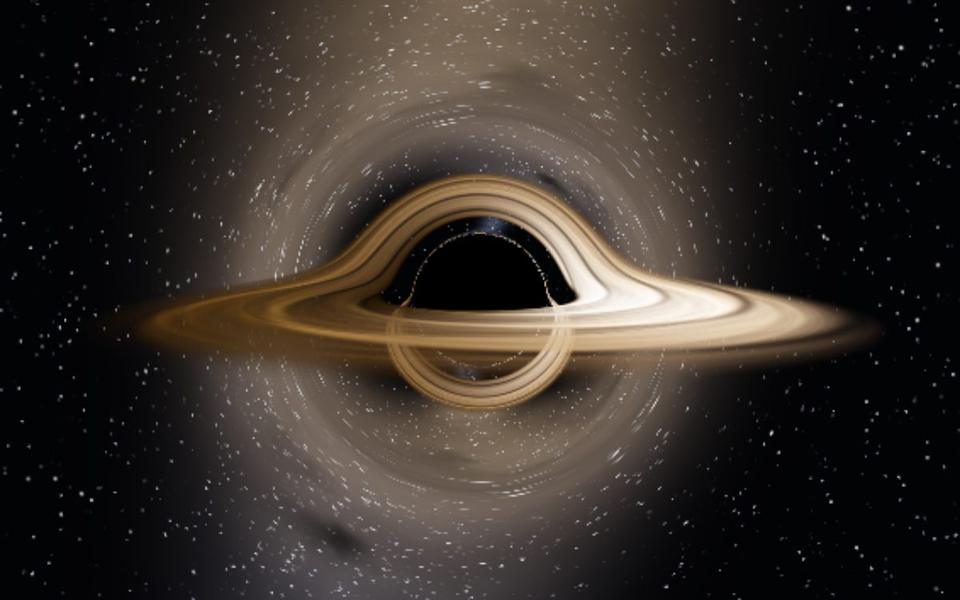
正在布展…
它是怎么做的
- 第 1 步每个像素发射一条光线,在其轨道平面内用 u=1/r 关于角度的二阶方程积分
- 第 2 步步进过程中检测光线是否穿过吸积盘平面或落入事件视界
- 第 3 步吸积盘颜色按黑体温度计算,并叠加多普勒与引力红移
- 第 4 步没有被捕获的光线最终方向用于采样银河星空贴图
- 第 5 步dat.GUI 面板可切换观察者运动、各种相对论效应和画质
复刻配方
一段技术配方,可以直接交给 AI 编程助手,也可以自己照着写。想指定技术栈、位置和性能预算,就把它加入实现方案。
For each pixel, build a ray from the camera and reduce it to a 2D problem in the plane containing the ray and the black hole centre. Integrate the Schwarzschild photon orbit equation d²u/dφ² = -u + 1.5u² (with u = 1/r and Schwarzschild radius 1) using a fixed-step RK4 or leapfrog loop of a few hundred steps in the fragment shader. At each step check for crossing the disk plane between inner and outer radii and for r < 1 (captured, black). Shade disk hits with blackbody colour adjusted by Doppler and gravitational redshift, and sample a sky cubemap or equirectangular texture with the final direction for escaped rays.
档案
能不能拿来用
原作以 MIT (COPYRIGHT.md; Milky Way texture is CC-BY-NC) 许可开源:可以阅读源码学习,按许可证条款使用;在自己的项目里引用时保留原作者署名。
性能开销
视觉强度
实现难度
尺度为策展判断(1 到 5),用于比较和推荐。
核实记录:Opened https://oseiskar.github.io/black-hole/ (200, title 'Black Hole'); repo oseiskar/black-hole exists; read COPYRIGHT.md (MIT for the project, third-party notes).
相关藏品

拜耳抖动背景
2025Three.js Bayer Dither Playground — Vsevolod Dolgopolov (zavalit)
网页背景是一层低分辨率的复古抖动像素图案,点击任意位置会荡开像素化的涟漪。
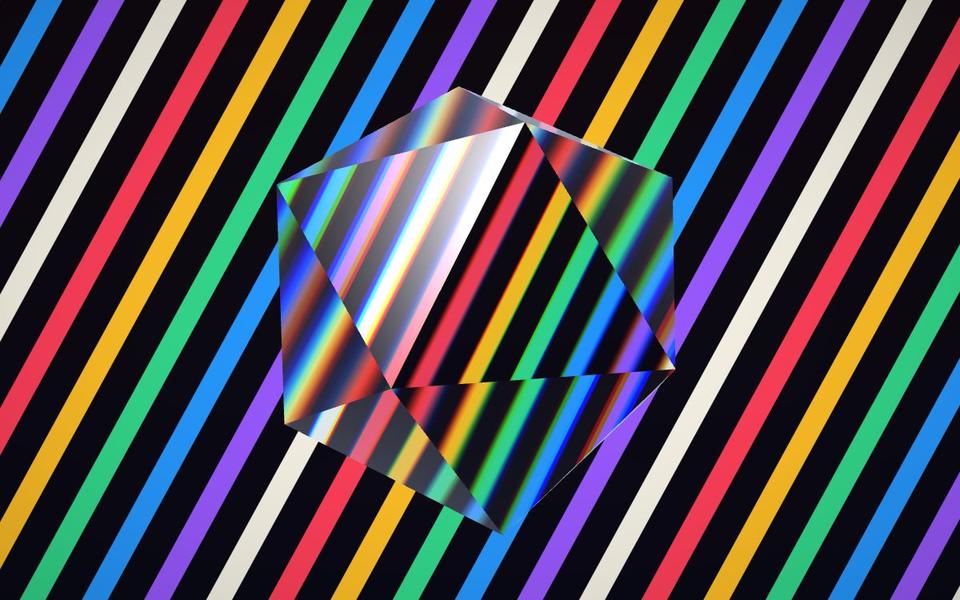
折射与色散的交互讲解
2023Refraction, dispersion, and other shader light effects — Maxime Heckel
一篇博客文章里嵌着九个可编辑的代码沙盒,一步步把一个玻璃体从简单折射做到带色散、高光的晶莹效果。
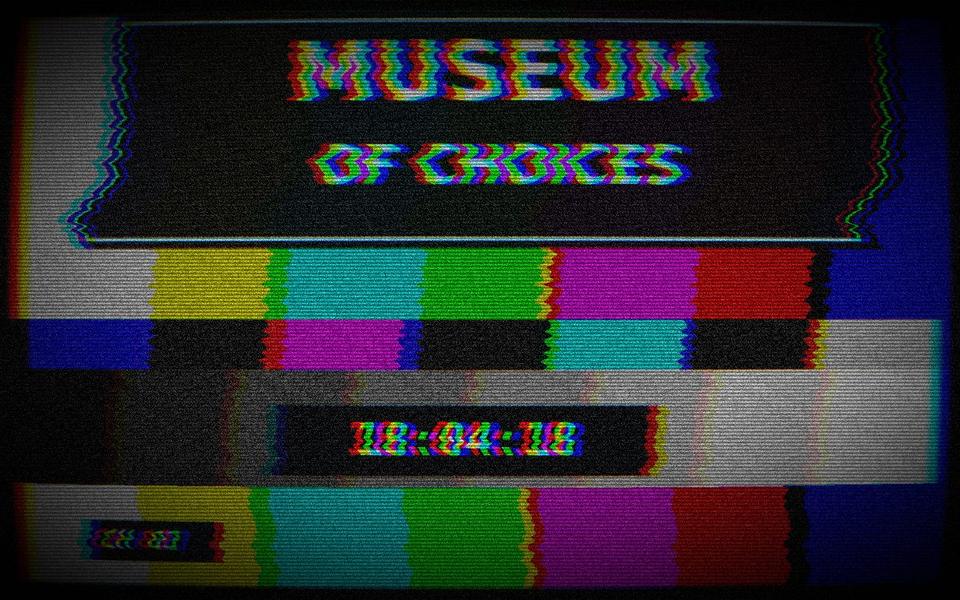
坏电视信号
2016BadTV Shader — Felix Turner (Airtight Interactive)
视频画面像老旧电视一样横向扭曲、滚动、偏色、闪烁雪花和扫描线。
后期滤镜本柜复刻